
The environmental, social, and health impacts of food production and consumption generate hidden costs and overlooked benefits. By failing to account for these costs and benefits, the current economic system incentivizes unsustainable practices. True Cost Accounting (TCA) identifies and measures food system impacts on our health, the environment, and society, providing a vital tool for informed and sustainable decision-making in policymaking and business.

True Cost Accounting reveals the hidden impacts of food systems on our health, environment, and society—making visible the drivers of change for a fair and sustainable future.


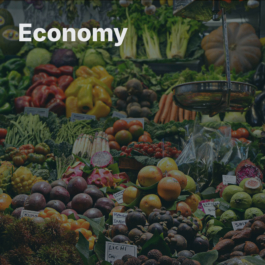
In Europe and other wealthy countries, by far the highest hidden costs of food systems arise from the health impacts of diets too high in meat, salt, added sugars, trans fats, and excess calories and too low in whole grains, fruits, and vegetables. Diet-related diseases, such as diabetes, heart disease, and obesity, cost Europe billions in healthcare and lives lost every year—and they’re largely preventable.
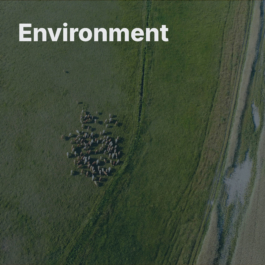
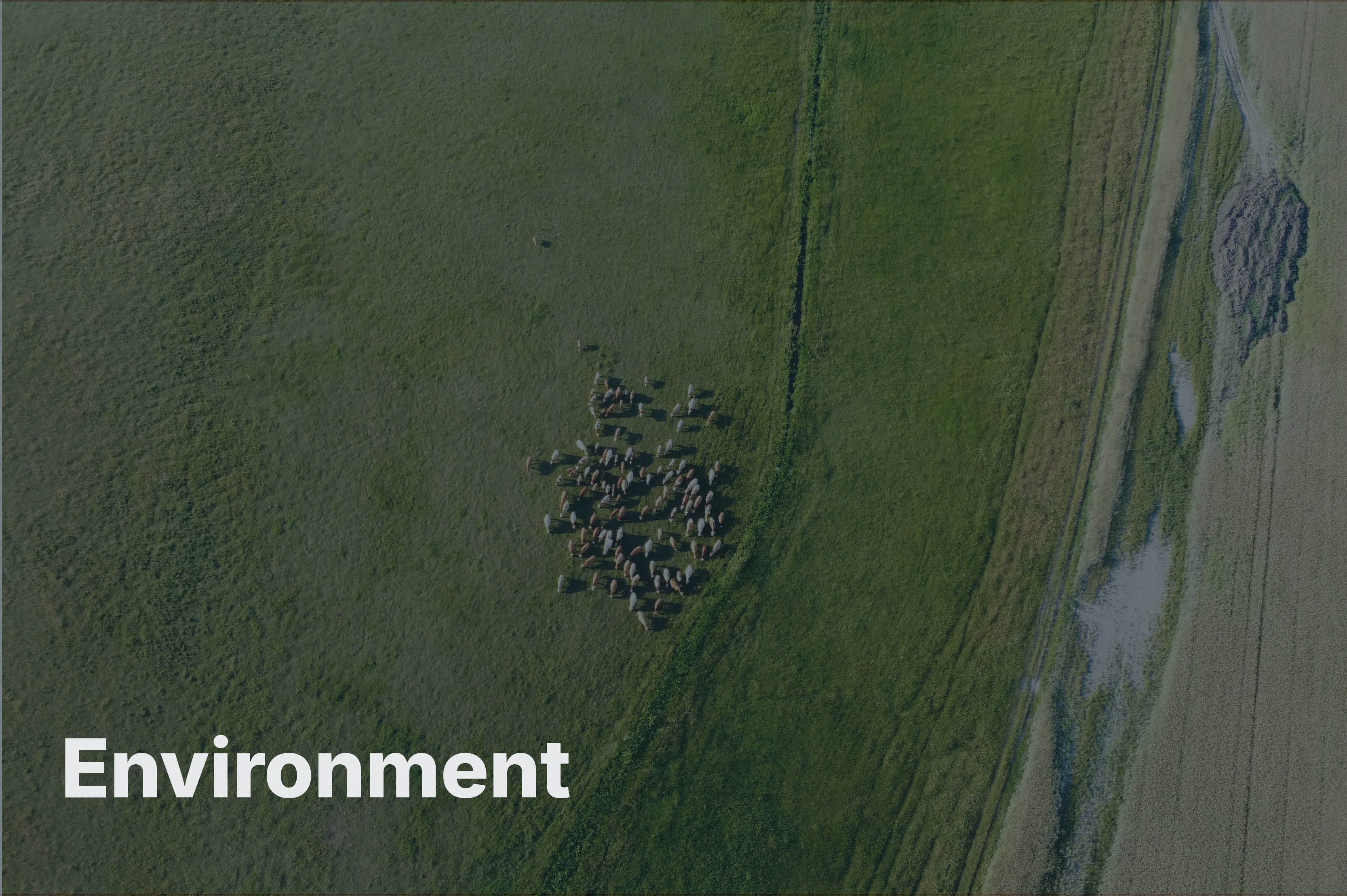
Food systems have a massive impact on the environment—via land and water use, pollution from greenhouse gas emissions, fertilizers, and pesticides, and habitat and biodiversity destruction. Often, foods with lower hidden health costs are also better for the planet.
Today’s food systems rely on tremendously complex global supply chains that link consumers with producers all over the world. To make food systems fair, we need to reduce or eliminate child labour, gender inequality, and unsafe working conditions, while ensuring that good food is available to all.
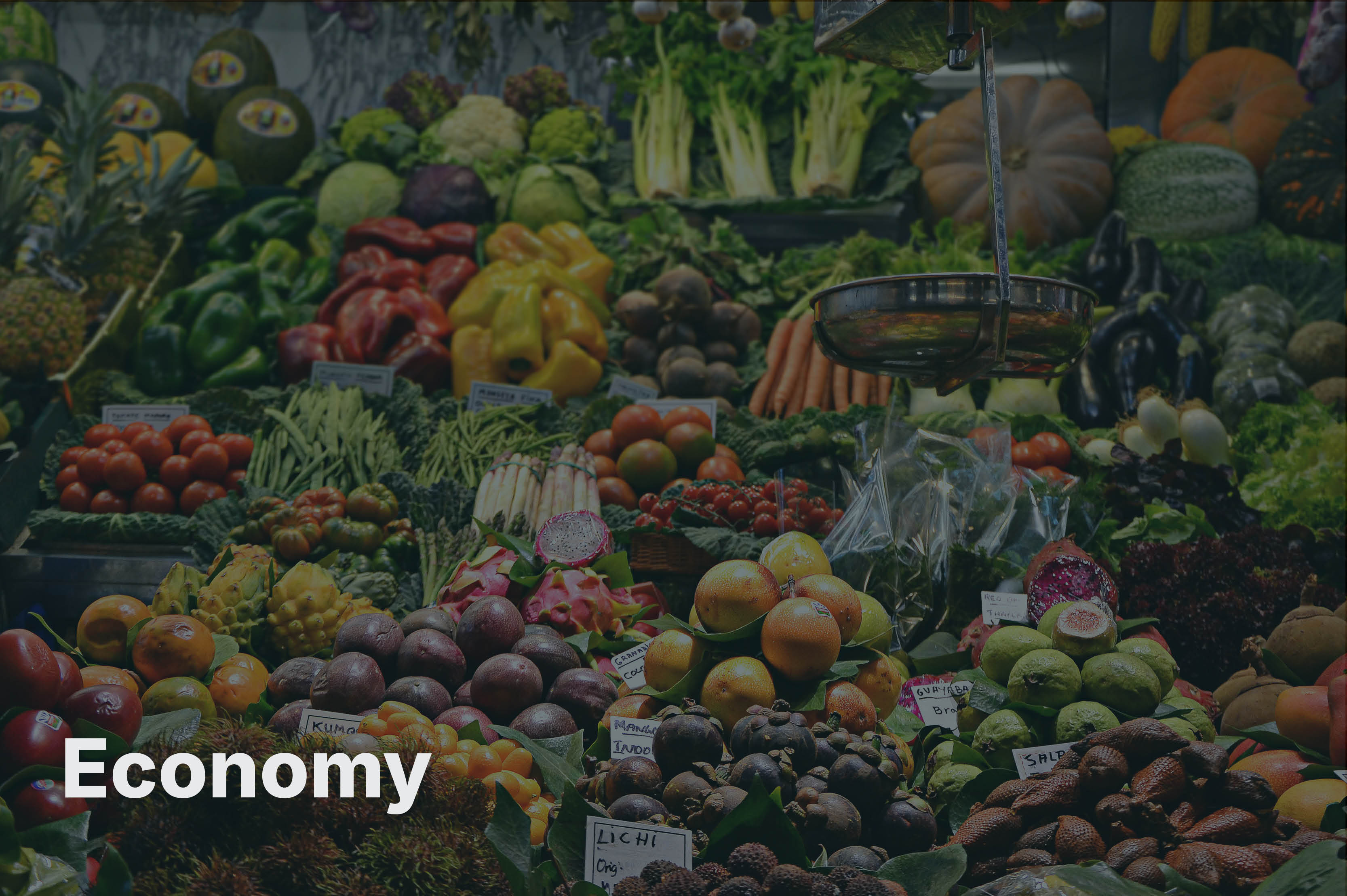
Agri-food companies have economic interests and must comply with national and international standards and laws, just like any other for- or not-for-profit company. Failing to account for the health, environmental, and societal impacts of economic activities leads to unacceptable costs that end up being paid by those who did not cause them.
Â
Â
The four steps of True Cost Accounting (TCA)
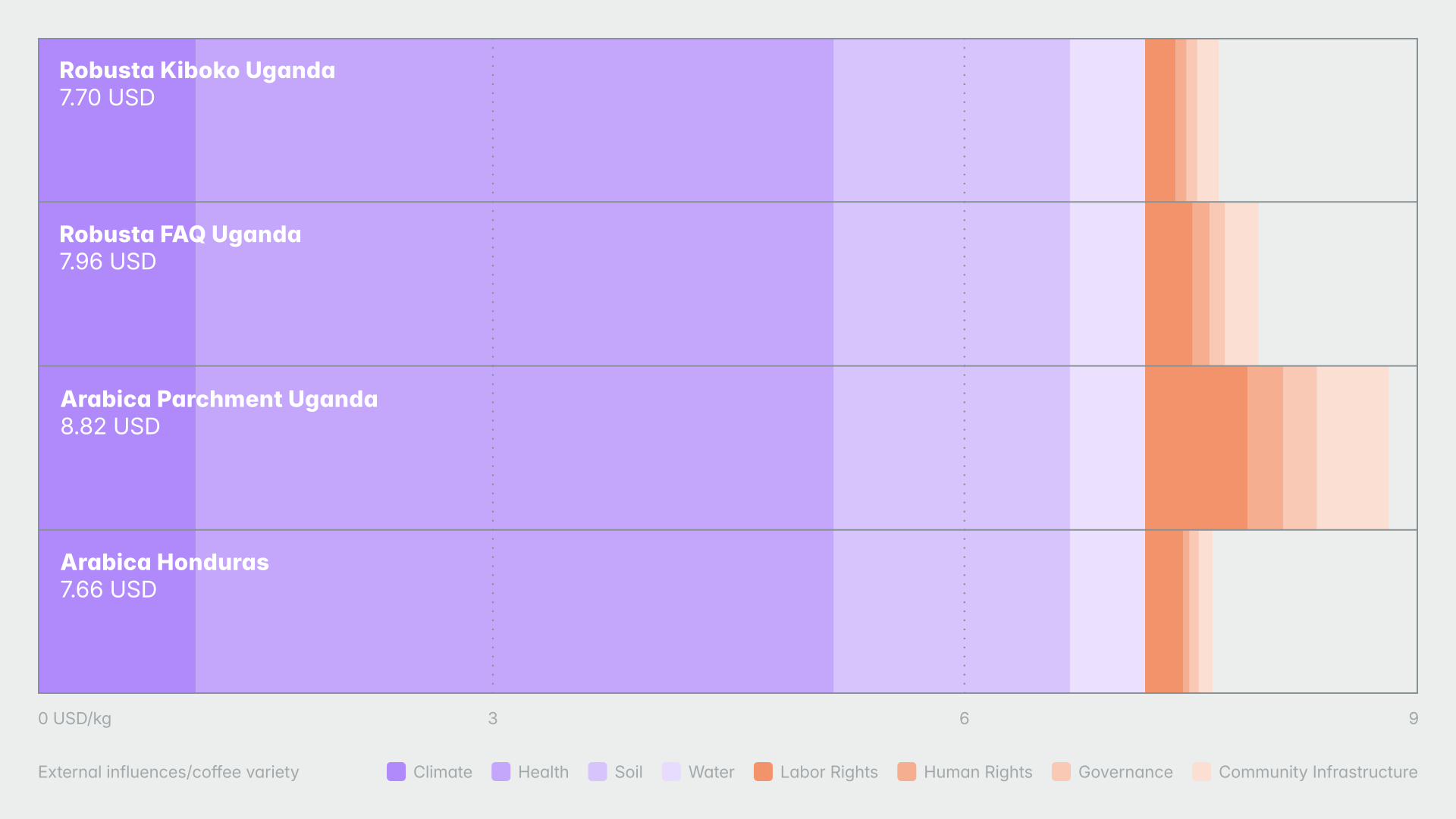
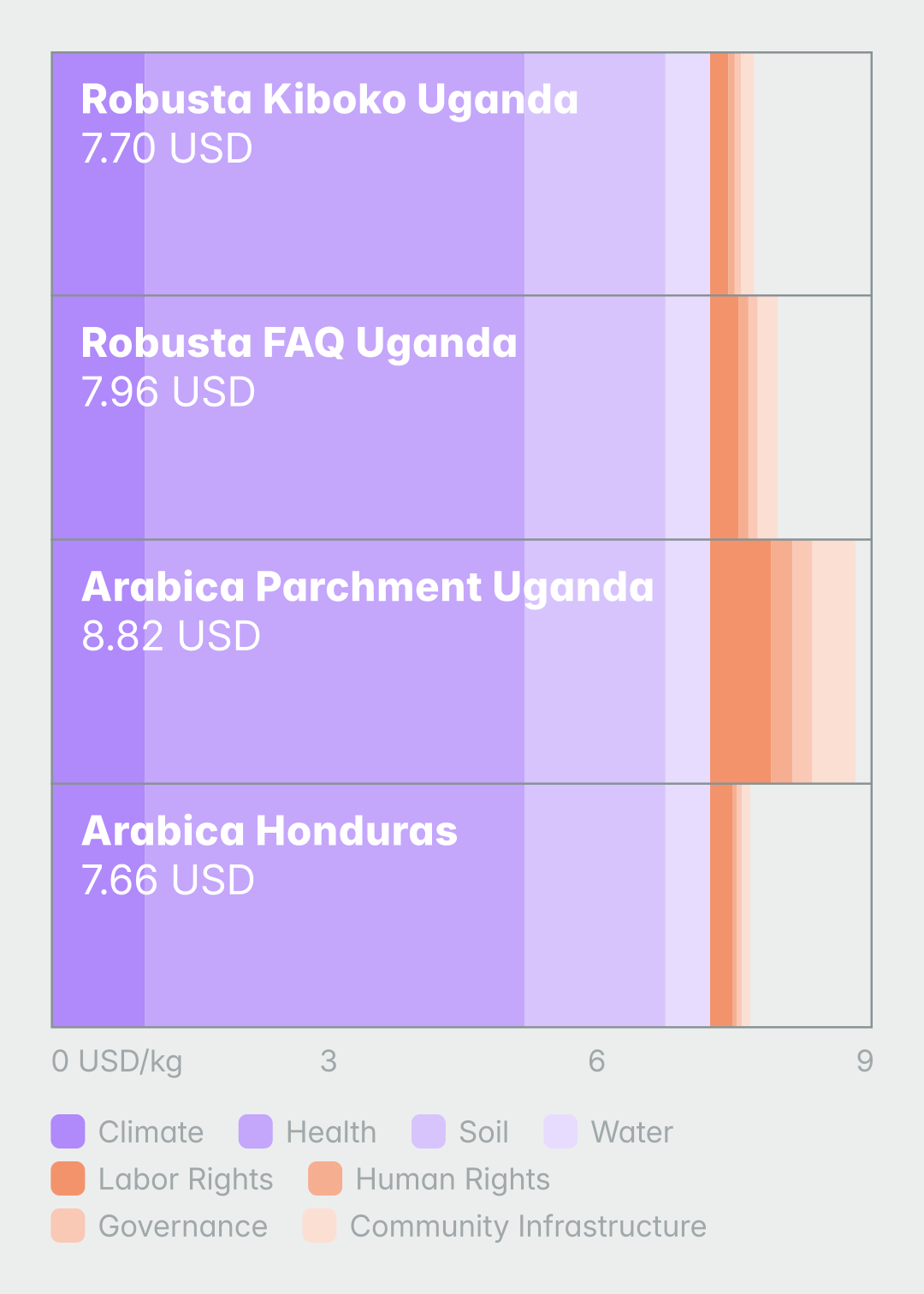
First, TCA identifies how the production and consumption of food products impact human health, the environment, and society. These impacts may be positive (improving health, protecting biodiversity, or sequestering carbon) or negative (causing poor health or pollution).
The second step is to measure impact per kilogram of food product. How this is measured depends upon the type of impact. For example, pollutants are measured in kilograms of emission, while health impacts are measured in the years of human life lost due to disability or premature death caused by diet-related disease.
Impacts are then translated into monetary values. Estimates for how much each impact will cost or benefit society are made based on established methodologies. By showing impacts as monetary values, it's easier to evaluate which foods generate the highest or lowest hidden costs for society.
Insights generated by TCA can inform the creation of dietary guidelines, agricultural policy, sustainable subsidies, or consumer education campaigns to support the transition to more healthy and sustainable food systems.
From theory to practice
Â
Â
Â
Recommendation 01
Recommendation 02
Recommendation 03
Recommendation 04
Recommendation 05

Coming soon

Coming soon

Coming soon

Coming soon

Coming soon

Become a True Cost Alliance member—help us reduce the hidden costs of food systems and open pathways for sustainable transformation.


The environmental, social, and health impacts of food production and consumption generate hidden costs and overlooked benefits. By failing to account for these costs and benefits, the current economic system incentivizes unsustainable practices. True Cost Accounting (TCA) identifies and measures food system impacts on our health, the environment, and society, providing a vital tool for informed and sustainable decision-making in policymaking and business.


In Europe and other wealthy countries, by far the highest hidden costs of food systems arise from the health impacts of diets too high in meat, salt, added sugars, trans fats, and excess calories and too low in whole grains, fruits, and vegetables. Diet-related diseases, such as diabetes, heart disease, and obesity, cost Europe billions in healthcare and lives lost every year—and they’re largely preventable.
Food systems have a massive impact on the environment—via land and water use, pollution from greenhouse gas emissions, fertilizers, and pesticides, and habitat and biodiversity destruction. Often, foods with lower hidden health costs are also better for the planet.
Today’s food systems rely on tremendously complex global supply chains that link consumers with producers all over the world. To make food systems fair, we need to reduce or eliminate child labour, gender inequality, and unsafe working conditions, while ensuring that good food is available to all.
Agri-food companies have economic interests and must comply with national and international standards and laws, just like any other for- or not-for-profit company. Failing to account for the health, environmental, and societal impacts of economic activities leads to unacceptable costs that end up being paid by those who did not cause them.
True Cost Accounting reveals the hidden impacts of food systems on our health, environment, and society—making visible the drivers of change for a fair and sustainable future.
Â
Â
The four steps of True Cost Accounting (TCA)
First, TCA identifies how the production and consumption of food products impact human health, the environment, and society. These impacts may be positive (improving health, protecting biodiversity, or sequestering carbon) or negative (causing poor health or pollution).
The second step is to measure impact per kilogram of food product. How this is measured depends upon the type of impact. For example, pollutants are measured in kilograms of emission, while health impacts are measured in the years of human life lost due to disability or premature death caused by diet-related disease.
Impacts are then translated into monetary values. Estimates for how much each impact will cost or benefit society are made based on established methodologies. By showing impacts as monetary values, it's easier to evaluate which foods generate the highest or lowest hidden costs for society.
Insights generated by TCA can inform the creation of dietary guidelines, agricultural policy, sustainable subsidies, or consumer education campaigns to support the transition to more healthy and sustainable food systems.
From theory to practice
Â
Â
Â
Recommendation 01
Recommendation 02
Recommendation 03
Recommendation 04
Recommendation 05

Coming soon

Coming soon

Coming soon

Coming soon

Coming soon

Become a True Cost Alliance member—help us reduce the hidden costs of food systems and open pathways for sustainable transformation.
©True Cost Alliance. All rights reserved.   Legal Note   Privacy Policy   Website by Studio Christian Vukomanovic
Stay up to date on news, projects, and research
Sign up with your email and receive our newsletter. You can find information on how your data is stored and used, as well as your unsubscribe options, in our privacy policy.
Work with us   Email   LinkedIn
Sign up with your email and receive our newsletter. You can find information on how your data is stored and used, as well as your unsubscribe options, in our privacy policy.
©True Cost Alliance. All rights reserved.   Legal Note   Privacy Policy   Website by Studio Christian Vukomanovic
Work with us   Email   LinkedIn
©True Cost Alliance. All rights reserved.   Legal Note   Privacy Policy   Website by Studio Christian Vukomanovic